The Impact of Environmental Regulations on Land Development
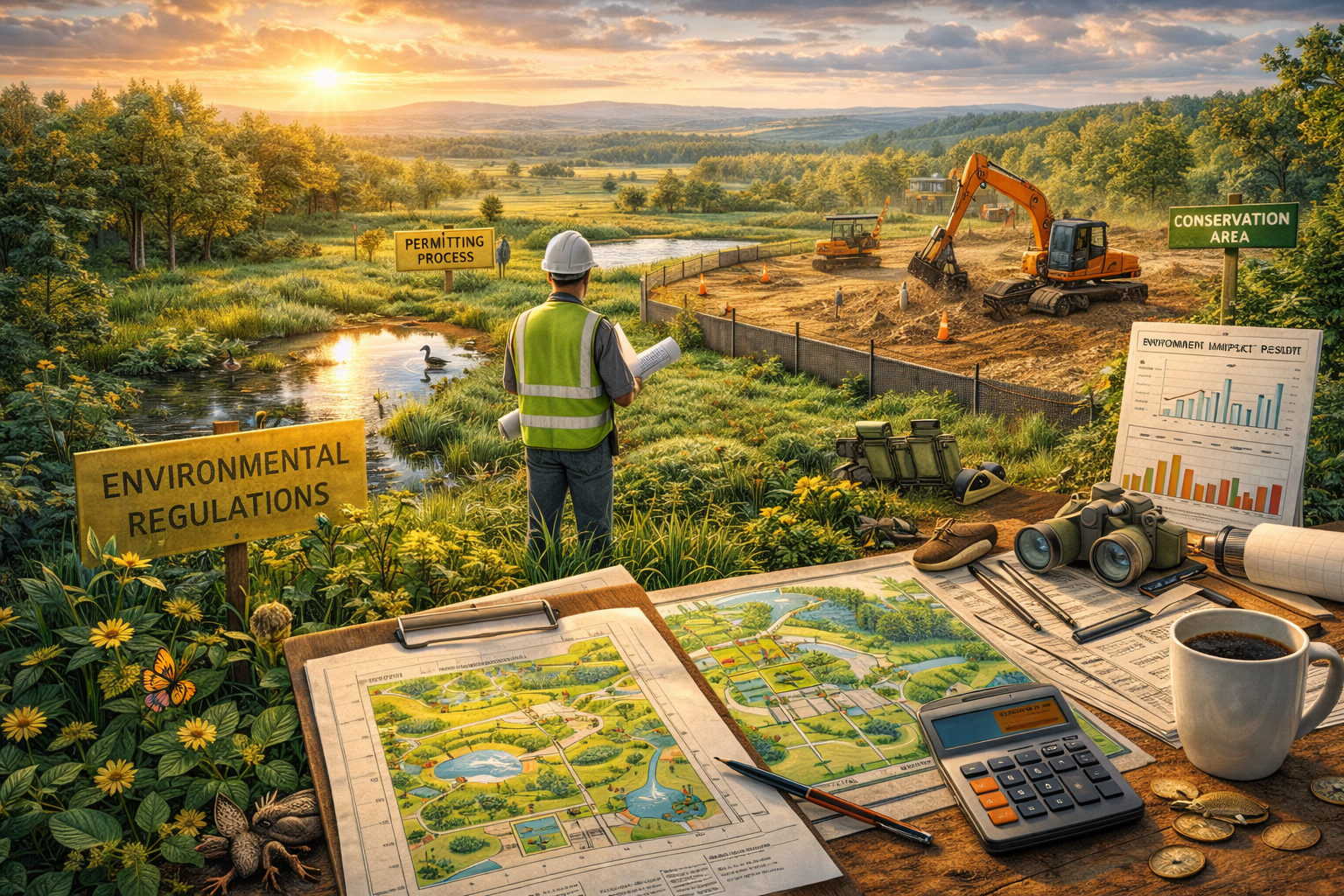
The development of land is not just a matter of architectural planning and construction. It's significantly influenced by a network of environmental regulations designed to protect natural resources and promote sustainable development. Understanding the impact of these regulations is crucial for landowners and developers. This post will explore the ways environmental regulations shape land development and what you need to know to navigate these laws effectively.
The Role of Environmental Regulations
Environmental regulations are laws and guidelines set by local, state, or federal governments to manage the impact of development on the environment. These regulations address issues such as land use, pollution control, habitat conservation, and the preservation of natural resources. Their primary goal is to ensure that land development is conducted responsibly, balancing economic growth with environmental protection.
Effects on Land Development Projects
Planning and Design Constraints
Environmental regulations can dictate where and how development can occur, often requiring more extensive planning and design efforts to comply with specific guidelines.
Permitting Process
Obtaining permits for land development can be a complex and time-consuming process, especially when environmental concerns are significant. Developers must often conduct detailed environmental impact assessments and propose mitigation strategies.
Increased Costs
Compliance with environmental regulations can increase the cost of development. This can include expenses related to environmental assessments, compliance measures, and potential delays in project timelines.
Conservation Efforts
In some cases, regulations require developers to set aside land for conservation or contribute to environmental restoration projects.
Benefits of Environmental Regulations
Despite these challenges, environmental regulations offer significant benefits. They help ensure sustainable land use, protect ecosystems, and promote public health. Moreover, they can enhance the long-term value of a property by ensuring that development is compatible with environmental preservation.
Navigating Environmental Regulations
For landowners and developers, navigating these regulations requires a proactive approach:
Stay Informed
Keep updated on local, state, and federal environmental laws relevant to your land and projects.
Seek Expert Advice
Consult with environmental experts and legal advisors to understand the implications of these regulations on your development plans.
Plan Ahead
Incorporate environmental considerations into your project planning from the outset to avoid costly revisions and delays.
Embrace Sustainability
Consider sustainable development practices as they can often help in meeting regulatory requirements and can be more economically viable in the long run.
Key Takeaways
Environmental regulations are a critical aspect of land development. While they present certain challenges, they also offer opportunities for sustainable, responsible development. By understanding and effectively navigating these regulations, landowners and developers can not only comply with the law but also contribute positively to environmental stewardship.