What is Land Stewardship and Conservation - Community Lands
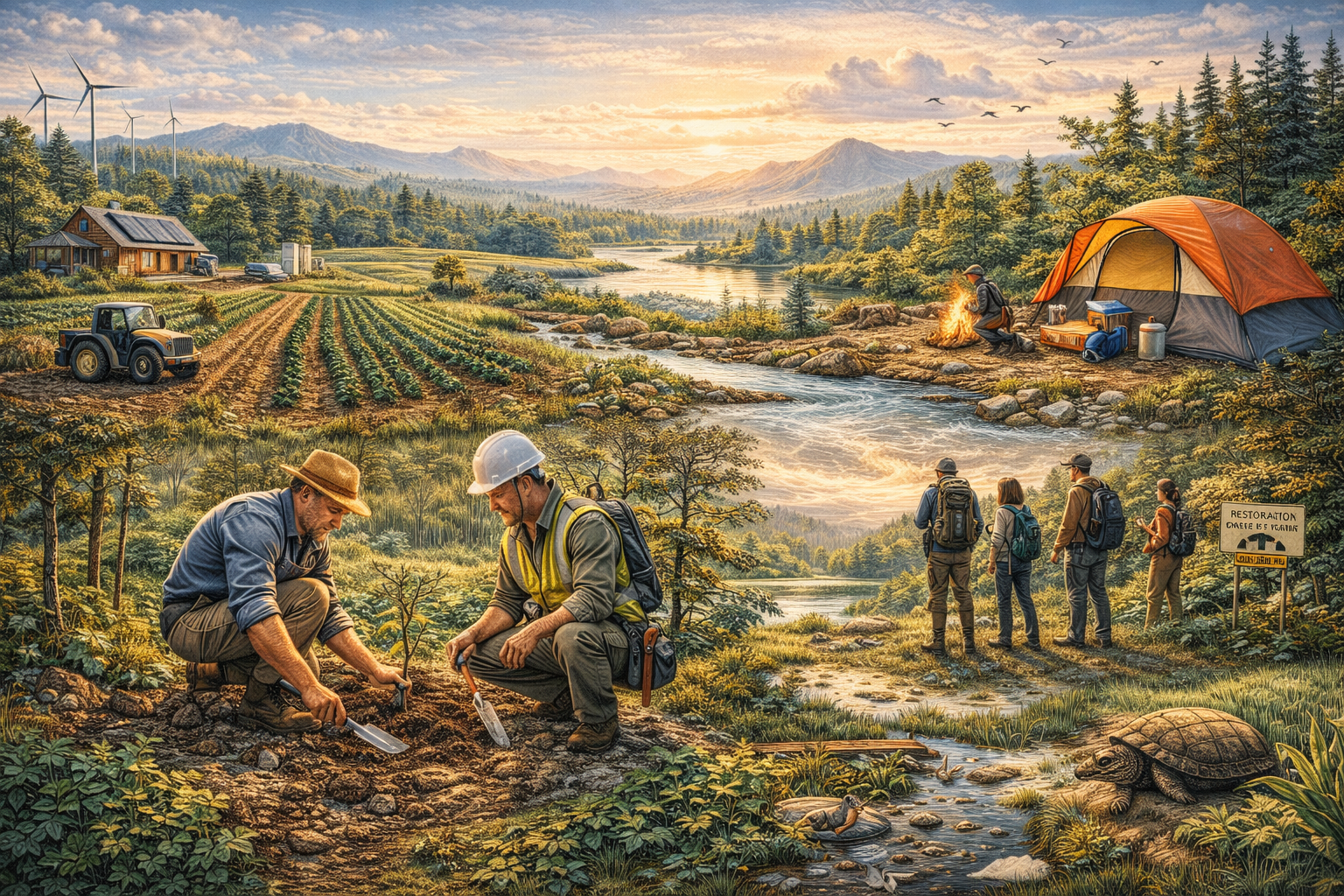
Land stewardship is a concept that is gaining significant attention in the realms of conservation and sustainable development. It involves a conscious effort by individuals, communities, and organizations to manage and protect the land in a way that benefits both the environment and future generations.
Understanding Land Stewardship
At its core, land stewardship encompasses a range of practices and strategies aimed at preserving and enhancing the quality of land for sustainable use. It is guided by principles of respect for the land, responsible management, and a long-term vision for the health and vitality of the environment.
Land stewards may be private landowners, farmers, foresters, or members of land trust organizations, all sharing a commitment to safeguarding natural resources. Their efforts often include the preservation of natural habitats, the restoration of degraded landscapes, the promotion of biodiversity, and the implementation of sustainable land management practices.
It's important to note that land stewardship extends beyond the boundaries of protected areas or parks. It is a concept that can be applied to all types of land, from agricultural fields and forests to urban green spaces. This is particularly relevant in the context of private land conservation, where individuals and groups take ownership of protecting and enhancing the land they own or manage.
The Importance of Land Stewardship
The significance of land stewardship cannot be understated. It is a critical element in the global efforts to conserve biodiversity, mitigate climate change, and ensure food security. By managing the land in a sustainable and responsible manner, stewards contribute to the longevity of ecosystems and the services they provide.
Furthermore, land stewardship has profound social implications. It encourages a connection with the land, fosters community engagement, and promotes a sense of responsibility towards the environment. It can also lead to economic benefits, such as improved crop yields and increased property value, particularly when sustainable land management practices are employed.
In addition, land stewardship is often a key component of conservation strategies. Through mechanisms such as land conservation easements, landowners can legally commit to preserving the natural values of their land, thereby protecting it from future development.
In essence, land stewardship represents a holistic and sustainable approach to land management. It exemplifies the harmony that can exist between human activities and the environment, setting a positive example for current and future generations.
The Role of Land Stewardship in Conservation
The concept of land stewardship is intrinsically linked to conservation efforts. Not only does it involve the responsible management of land resources, but it also plays a pivotal role in preserving biodiversity and ecological balance.
Connection Between Land Stewardship and Conservation
Land stewardship and conservation are two sides of the same coin. Stewardship involves the careful management of land resources to ensure their sustainable use. Conservation, on the other hand, focuses on preserving natural habitats and maintaining biodiversity. Together, they strive towards the common goal of maintaining the health and vitality of our planet.
One of the key ways in which land stewardship facilitates conservation is through the establishment of land conservation easements. These legal agreements allow landowners to voluntarily limit the use of their property in order to protect its conservation value. This could involve restrictions on development, agriculture, or other activities that could potentially harm the environment.
Land stewardship also encourages conservation through various sustainable land management practices. These could involve the use of organic farming methods, the implementation of erosion control measures, or the restoration of natural habitats. By adopting such practices, land stewards can help to preserve the natural ecosystem and promote biodiversity.
Impact of Conservation Efforts on Biodiversity
The conservation efforts facilitated by land stewardship have a profound impact on biodiversity. By preserving natural habitats and implementing sustainable land management practices, land stewards help to maintain a diverse range of plant and animal species.
For instance, the establishment of conservation easements can help to protect endangered species by preserving their natural habitats. This, in turn, helps to maintain the ecological balance and ensures the survival of these species for future generations.
Impact of Conservation Efforts
Examples
Preservation of Natural Habitats
Establishment of conservation easements
Protection of Endangered Species
Implementation of wildlife protection measures
Maintenance of Ecological Balance
Restoration of natural habitats
Moreover, conservation efforts can also help to mitigate the impact of climate change. By preserving forests and other natural habitats, land stewards can help to reduce carbon emissions and contribute to global efforts to combat climate change.
In conclusion, the role of land stewardship in conservation is of paramount importance. By promoting sustainable land management practices and preserving natural habitats, land stewards can help to safeguard our planet's biodiversity and ensure a sustainable future for all. For more information on the role of private individuals and organizations in land conservation, check out our articles on private land conservation.
Land Stewardship Techniques
In the quest to promote land stewardship, there are several methods and strategies that can be employed. These techniques encompass sustainable land management practices, restoration of natural habitats, and efforts towards promoting biodiversity.
Sustainable Land Management Practices
Sustainable land management practices are a crucial component of land stewardship. They involve the use of land resources, such as soil and water, in a way that maintains their quality for future generations. Key practices can include organic farming, permaculture design, and erosion control.
By adopting these practices, landowners can improve the health of their land, boost productivity, and mitigate the impact of climate change. For example, organic farming can improve soil health and biodiversity, while erosion control measures can protect the land from degradation.
Such practices also often involve the utilization of land conservation easements, voluntary agreements that limit certain types of uses or prevent development from taking place on a piece of land.
Restoration of Natural Habitats
The restoration of natural habitats is another critical aspect of land stewardship. This process involves returning a degraded habitat back to its original, natural state. Techniques can include reforestation, wetland restoration, and the reintroduction of native species.
Restoring habitats not only contributes to biodiversity but also improves the ecosystem services that these habitats provide. This can include water purification, carbon sequestration, and providing habitats for wildlife. Many land conservation organizations work tirelessly to restore habitats and promote the importance of these initiatives.
Promoting Biodiversity
Promoting biodiversity is a key objective of land stewardship. High biodiversity contributes to ecosystem productivity, stability, and resilience. Landowners can promote biodiversity through a variety of practices. These can include creating wildlife corridors, protecting endangered species, and promoting the growth of a variety of native plant species.
In many cases, land trust organizations can play a significant role in this effort by establishing protected areas that serve as safe havens for a diverse range of flora and fauna.
Land Stewardship Technique
Key Practices
Benefits
Sustainable Land Management
Organic farming, Erosion control, Land conservation easements
Improved land health, Boosted productivity, Climate change mitigation
Restoration of Natural Habitats
Reforestation, Wetland restoration, Reintroduction of native species
Increased biodiversity, Improved ecosystem services
Promoting Biodiversity
Wildlife corridors, Protecting endangered species, Native plant growth
Ecosystem productivity, Stability, Resilience
Land stewardship techniques such as sustainable land management, restoration of natural habitats, and promoting biodiversity are vital for the preservation and conservation of our land resources. By implementing these techniques, landowners can contribute significantly to the goal of sustainable land use and private land conservation.
Challenges in Land Stewardship and Conservation
Implementing effective land stewardship practices and conservation measures can be a complex task. It involves navigating numerous challenges, from balancing development needs with environmental preservation to overcoming specific obstacles in stewardship endeavors.
Balancing Development and Conservation
One of the major challenges in land stewardship is striking a balance between development and conservation. As the demand for land for housing, agriculture, and industry increases, pressure mounts on available land resources, putting natural habitats and biodiversity at risk.
To address this challenge, it's crucial to incorporate sustainable land management principles into development plans. This includes minimizing land degradation, promoting efficient use of resources, and adopting practices that enhance the ecosystem's resilience.
Landowners and developers can also explore legal tools such as land conservation easements, which allow for the protection of certain land areas while still permitting compatible use and development. Such strategies can help establish a sustainable balance between economic growth and environmental preservation.
Overcoming Obstacles in Land Stewardship
In addition to balancing development and conservation, there are numerous obstacles that landowners and stewards often face. These can range from limited resources and lack of public awareness to complex legal and policy issues.
One approach to overcoming these challenges is through partnerships and collaborations. This can involve working with land conservation organizations and land trust organizations that offer expertise, resources, and support for stewardship efforts.
Financial challenges can also be addressed by tapping into land conservation grants and other funding opportunities that support sustainable land management and conservation initiatives.
Another crucial element is raising public awareness and fostering community engagement. By educating the public about the importance and benefits of land stewardship, it's possible to garner support for conservation initiatives and foster a culture of responsibility towards our natural resources.
Finally, addressing legal and policy issues requires a comprehensive understanding of the relevant laws, regulations, and policies that impact land use and conservation. It's also important to advocate for legislation and policies that support and incentivize conservation efforts, including private land conservation.
In conclusion, while the challenges in land stewardship and conservation can be daunting, they are not insurmountable. By leveraging resources, fostering partnerships, and implementing sustainable practices, landowners and stewards can contribute to the preservation of our valuable land resources for future generations.
Case Studies of Successful Land Stewardship
Examining real-world instances of land stewardship brings a pragmatic touch to the conversation. Here, we will look at some examples of effective land stewardship and the lessons learned from these successful conservation efforts.
Examples of Land Stewardship at Work
Community-Led Conservation Initiatives - A small town in the Midwest, USA, transformed over 500 acres of barren land into a thriving natural habitat. They achieved this through meticulous land management practices and community collaboration. Over a decade, the area saw a significant increase in local biodiversity and became a model for community-led conservation initiatives.
Private Land Conservation - In a remarkable example of private land conservation, a ranch owner in Texas collaborated with land trust organizations to establish a land conservation easement. This resulted in the preservation of a large tract of native grassland, providing a safe habitat for numerous endangered species.
Government-Led Conservation Programs - An Asian country successfully implemented a government-led program to prevent deforestation and promote sustainable land use. The program included providing land conservation grants to farmers for implementing sustainable farming practices, resulting in the conservation of large forested areas and an increase in sustainable agricultural production.
Case Study
Land Area Conserved
Increase in Biodiversity
Key Players
Community-Led Conservation
500 acres
Significant
Community members, local NGOs
Private Land Conservation
3000 acres
Moderate
Landowner, land trust organizations
Government-Led Conservation Program
200,000 acres
Significant
Government, farmers
Lessons Learned from Successful Conservation Efforts
These case studies of successful land stewardship provide valuable insights into effective conservation methods:
Community Involvement - Active participation from the local community is crucial in ensuring the success of conservation initiatives. People are more likely to invest their time and resources in protecting the environment when they feel a personal connection to the land.
Collaboration is Key - Successful conservation efforts often involve collaboration between various stakeholders, including landowners, land conservation organizations, government agencies, and the local community.
Government Support - Government support, in the form of legislation, policies, or grants, can play a pivotal role in promoting land conservation and sustainable land management practices.
Long-term Commitment - Effective land stewardship requires a long-term commitment. The benefits of conservation efforts, such as increased biodiversity and improved ecosystem health, often take years to materialize.
By studying these examples and learning from their successes, we can better understand the practicalities of land stewardship and its influence on conservation. This knowledge can guide future efforts, shaping a more sustainable future for our land and our communities.
Moving Forward: The Future of Land Stewardship
As our understanding of environmental conservation evolves, so too do our practices and approaches to land stewardship. This section explores the latest trends, the role of technology, and the impact of legislation and policies on land stewardship.
Emerging Trends in Land Stewardship and Conservation
The future of land stewardship is being shaped by innovative practices that balance conservation with sustainable land use. One significant emerging trend is collaborative land stewardship, where landowners, conservationists, and local communities work together to manage and protect natural resources.
Another trend is the increased use of conservation easements, legal agreements that restrict certain land uses in order to protect ecological, historical, or cultural values. These easements are a powerful tool for private land conservation, offering landowners a way to preserve their land for future generations. Learn more about land conservation easements in our dedicated article.
Emerging Trends
Description
Collaborative Stewardship
Involves partnerships between landowners, conservationists, and local communities for sustainable land management
Conservation Easements
Legal agreements restricting certain land uses to protect ecological, historical, or cultural values
The Role of Technology in Land Stewardship
Technology is increasingly playing a crucial role in land stewardship and conservation. Advanced mapping technologies, remote sensing, and data analytics enable more precise monitoring of land use and environmental impacts, helping land managers make better-informed decisions.
Additionally, mobile apps and online platforms are connecting landowners with resources, information, and networks that support stewardship efforts. These technological advancements are improving accessibility, efficiency, and effectiveness in land stewardship.
Technology
Role in Land Stewardship
Mapping Technologies & Data Analytics
Enable precise monitoring of land use and environmental impacts
Mobile Apps & Online Platforms
Provide resources, information, and networks supporting stewardship efforts
Legislation and Policies Impacting Land Stewardship
Land stewardship is also influenced by legislation and policies at the local, national, and international level. These laws and regulations can encourage or hinder conservation efforts, affecting everything from land use rights to funding for conservation projects.
For example, grants and tax incentives can motivate landowners to adopt sustainable practices or donate land for conservation. On the other hand, laws that prioritize economic development over environmental protection can pose challenges for land stewardship.
Legislation/Policy
Impact on Land Stewardship
Grants & Tax Incentives
Encourage landowners to adopt sustainable practices or donate land for conservation
Development-focused Laws
Can pose challenges for conservation efforts
As we move forward, it's clear that land stewardship will continue to evolve to meet the changing needs of our environment and society. By staying informed about these trends, technologies, and policies, we can all play a part in shaping a sustainable future for our land.